
The journey toward genuine health and well-being is often misunderstood. We expect it to be…
A Different Way To Pray
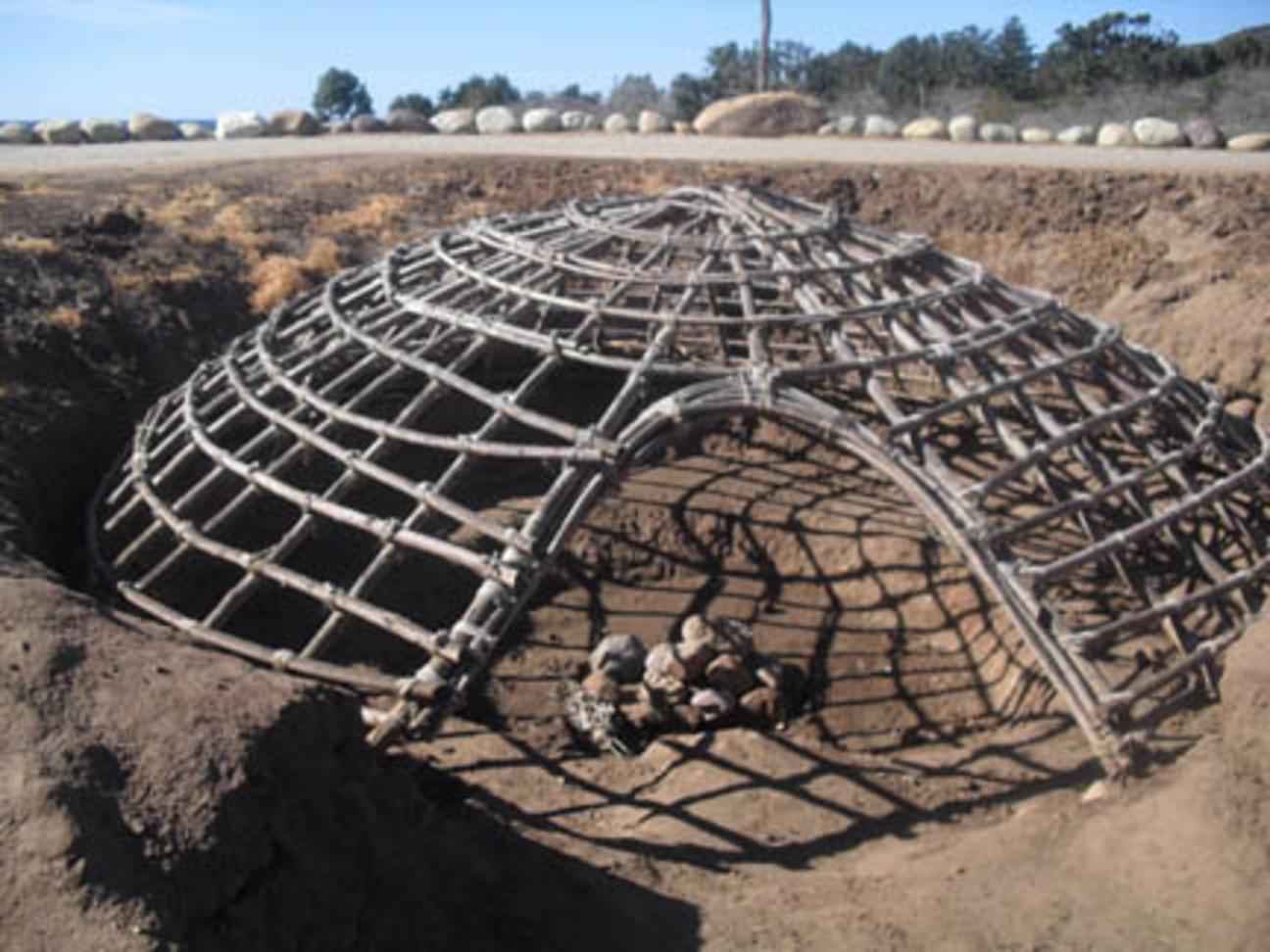
I attended a sweat lodge ceremony yesterday at kihcihkaw aski (Sacred Land) here in Edmonton near Fort Edmonton Park. One thought that continues to surface for me is what I call “A different way to pray.” Instead of asking for answers, I think prayer can be understood as entering the ceremony, stepping intentionally into a process of reflection before making important life decisions. Ceremony creates the space to listen, to become present, and to align our actions with our deepest values.
This perspective leads me to a simple but demanding measure of intelligence: the only real test of intelligence is whether I get what I truly want out of life. Knowledge, credentials, and talent matters, but they mean little if they do not translate into meaningful and purposeful existence.
At its core, life is shaped by action. We are what we do. What we do determines who we can be. Every decision, habit, and commitment either expands or limits our future identity. Becoming is not a matter of intention alone; it is the cumulative result of consistent action.
Many Indigenous Elders around the world encourage us to wrestle with four foundational questions: Where do I come from? Where am I going? Why am I here? And who am I? These questions are not meant to be answered once, but revisited throughout life as guides for growth and self-discovery.
Identity is never fixed. Without embracing uncertainty. I will never venture beyond the comfort zone of my current identity. Growth requires stepping into the unknown. Only by doing so can I actualize who I am, and who I potentially could, and should become. In this way, ceremony, action, and reflection become pathways to purpose and transformation.As I entered the opening of the sweatlodge with the Elder leading a large group of Indigenous females and males, I was reminded of just how important this ceremony is and was to Canada. Spiritual beliefs played a central role in treaty talks between “The Indians” of the West because many Indigenous nations understood treaties as sacred agreements made not only between peoples of the West, but also before the Creator.
Before negotiations began, Indigenous leaders often held ceremonies such as the pipe ceremony, which can symbolize truthfulness, respect, and commitment to honor one’s word. During Treaty 6 negotiations, approximately 2,000 Indigenous people gathered and conducted a pipe ceremony before formal discussions with the Crown’s representatives. The ceremony established a spiritual and moral framework for the negotiations and reminded all participants that their words and promises carried deep responsibilities. According to Alexander Morris’s account, treaty talks took place in the context of these ceremonies, which Indigenous peoples used to invoke honesty, fairness, and mutual respect. As a result, many First Nations viewed treaties as living sacred covenants meant to guide relationships between their nations and the Crown for future generations, rather than simply legal or political contracts. As I entered and sat in the womb of the lodge, I remembered an old saying I’d heard at one of my first sweatlodge ceremonies: “Today seems like a good day to die.”
